
Helping kids do more of what matters.
Warm child-centered occupational therapy for preschool and school-age children—supporting the skills, confidence, and participation that help them succeed on their own terms at home, at school, and in everyday life.
In-home occupational therapy is available throughout the South Bay, Westchester, Playa del Rey, Playa Vista, and Marina del Rey, with visits to preschool, school, and community settings when permitted.

What is Pediatric Occupational Therapy?
Every child experiences the world in their own way. Sometimes everyday activities feel harder than expected—at home, at school, in play, or in the community. Other times, families simply sense that their child could benefit from additional support, encouragement, or a new approach.
Whatever brings you here, you do not need to have the right words or know exactly what’s going on. We begin by listening, getting to know your child and family, and exploring together how we can help.
A child’s “occupations” are the meaningful activities that fill their day: playing, learning, physical activities, making friends, getting dressed, caring for themselves, and participating in family and community life.
Pediatric occupational therapy looks beneath the surface to understand the sensory, motor, visual, developmental, self-regulation, or adaptive skills involved. Through carefully selected activities and a play-based approach, we help children build the skills and confidence to participate more fully in everyday life.
Child-Centered, Purposeful Care
Therapy is shaped around each child’s strengths, interests, goals, and support needs. Sessions may incorporate play, movement, everyday routines, and other meaningful activities because children learn best when they feel engaged, safe, and motivated. Every activity is purposeful and connected to skills a child uses at home, at school, and in the community.
A MEANINGFUL WAY FORWARDEvery child’s path is different.
We meet them where they are and help them move toward what matters most.
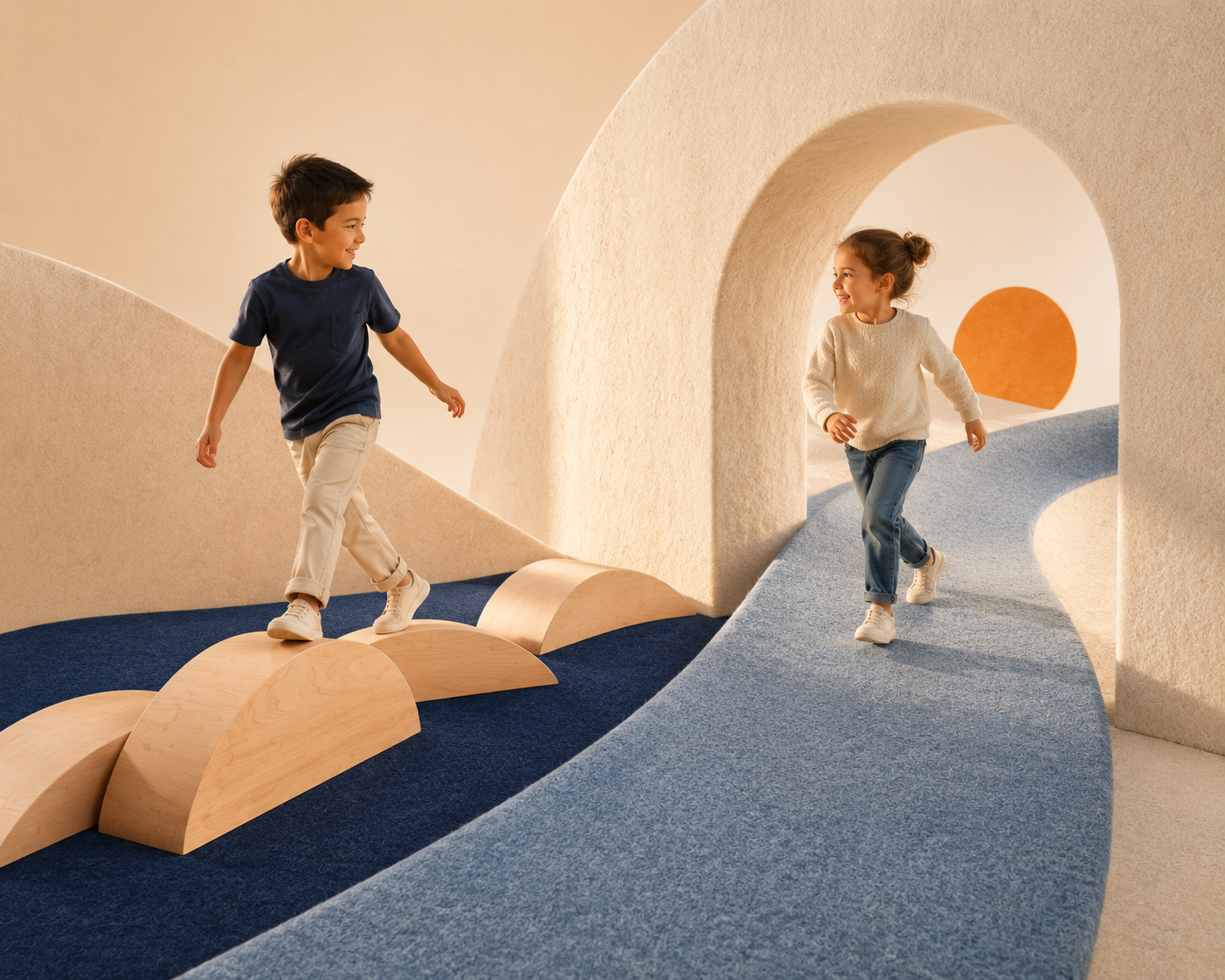
Focused help. Comprehensive support. Whole-child care.
Children come to The Capable Coast with many different ways of experiencing and engaging with the world. Some benefit from comprehensive ongoing support across daily life; others are looking for focused help with a specific area such as writing, coordination, motor planning, self-care, transitions, or self-regulation.
All belong here.
Every child receives thoughtful, individualized care grounded in their strengths, interests, autonomy, support needs, and family priorities.

Meet the Founder
Roxanne Chess Pierson, MS, OTR/L, brings more than two decades of experience supporting children with a wide range of strengths and needs.
Her career includes serving as Director of Occupational Therapy at The McCarton Center for Developmental Pediatrics and Occupational Therapy Supervisor at the Atlas Foundation for Autism. She has also worked in private practice, public schools in New York City and Los Angeles, sensory gyms, community settings, and equine-assisted therapy programs.
Roxanne founded The Capable Coast to bring that depth of clinical experience together with care that is warm, playful, and personal. Her approach is evidence-based, strength-based, and deeply individualized—meeting children where they are, partnering with families, and helping progress carry into everyday life.
Licensed and regulated by the California Board of Occupational Therapy.
How we can help
-
Support for children who are overwhelmed by sounds, textures, grooming, movement, transitions, or busy environments—as well as children who frequently seek movement or have difficulty settling, focusing, and regulating their bodies.
Self-regulation may or may not involve sensory differences. Children with attentional needs or social-emotional reticence benefit from intervention using sensory strategies (for calming, etc.). That does not mean your child has significant sensory differences or is neurodivergent.
The Capable Coast will design a program to support your child specifically so that they will engage with peers, at school and in the community confidently and appropriately.
-
The time and individualized practice required to develop a mature pencil grasp, dexterity and fine motor coordination, visual-motor integration for drawing and writing, and fine motor endurance are not always available in the school setting.
Many children benefit from additional support to build these skills for tracing, drawing, cutting, tying shoes, classroom work, and more comfortable, confident handwriting.
-
Every child has their own way of moving through the world. Occupational therapy supports balance, strength and endurance, body awareness, bilateral integration, coordination, and motor planning—the foundations children draw from during play, self-care, school routines, sports, and everyday tasks.
Some children are building skills and confidence with running, jumping, climbing, ball skills, or playground activities. Others benefit from mobility support, including positioning, transfers, navigating everyday environments, or incorporating mobility devices into daily routines. The Capable Coast optimizes a person's function in movement, whether that's throwing farther or addressing low/high tone.
Activities and supports are adapted to each child’s body, interests, and family priorities. The goal is not for every child to move in the same way, but for each child to participate as comfortably and confidently as possible in the activities and environments that matter to them.
-
Developing practical skills for dressing, fasteners and utensils, grooming, household participation, and daily routines can support greater autonomy and confidence.
Differences in bilateral integration, fine motor planning, body scheme and body awareness, or physical endurance can make self-care tasks more demanding. When self-care is avoided or becomes a source of distress, it may reflect underlying sensory, sensorimotor, fine motor, or other differences—even when those differences are subtle.
The Capable Coast supports people across the lifespan—from infancy through adulthood—in building the skills, strategies, and adaptations that help them participate in daily life with as much independence and confidence as possible.
-
Play is one of the primary ways children explore, learn, express themselves, and connect with others. Occupational therapy can support imaginative play, flexibility, peer interaction, social confidence, and the sensory, motor, and self-regulation foundations that help make participation possible.
Some children benefit from support initiating or joining play, managing social dynamics, physical endurance, navigating changes and unexpected moments, sharing space or materials, or participating in group activities. Others may be building confidence in communicating preferences, setting boundaries, asking for help, and finding meaningful ways to connect at home, at school, on the playground, and in the community.
At The Capable Coast we do not expect every child to play, communicate, or socialize in the same way. Support is shaped around each child’s interests, communication style, strengths, and autonomy—with the goal of helping them build meaningful relationships and participate with greater confidence and belonging.
-
Some children benefit from care that brings together deep experience across sensory, motor, neurological, developmental, and adaptive needs.
The Capable Coast provides occupational therapy for people with autism, cerebral palsy, global developmental delays, Down syndrome, dyspraxia, low or high muscle tone, neurological conditions, and complex or multiple support needs. We consider the whole person and how their body, nervous system, environment, and daily routines interact.
Therapy may support postural control, upper-extremity function, bilateral coordination, lower-extremity function, motor planning, positioning, mobility, sensory regulation, self-care, and purposeful participation. Care may also include compensatory strategies, adaptive equipment, caregiver coaching, and collaboration with schools and other members of a child’s care team. Each program is grounded in the child’s strengths, autonomy, communication style, comfort, and family priorities.
There are times in an individual's life when an intensive approach may be helpful. Daily therapy and longer sessions allow for a highly productive result due to frequent goal-directed sessions over a defined period. Session frequency, duration, and goals are individualized and set collaboratively with the family. Following a comprehensive evaluation and planned around each child’s endurance, schedule, regulation, and well-being, intensives are an option. The goal is meaningful functional change that carries beyond therapeutic context into everyday life.
-
Parents and caregivers bring essential expertise about their child, and therapy is most meaningful when support extends into the places where daily life happens. The Capable Coast partners with families to understand what they are noticing, connect sensory, motor, self-regulation, and daily-living needs, and develop practical strategies for home, school, and community life.
Support may include caregiver coaching and parent guidance related to occupational therapy goals, adapting routines or environments, planning for transitions, carrying therapeutic strategies across settings, and reviewing relevant evaluations and plans through an occupational therapy lens. Roxanne can also help families clarify priorities and questions for IEP, 504, IFSP, or other school-support meetings and, when invited, participate to share her clinical perspective. With family permission, she may collaborate with educators, physicians, therapists, and other providers.
The Capable Coast believes children are best supported when families, educators, and clinicians work from a shared understanding. We are committed to thoughtful, comprehensive solutions that connect therapy with everyday life—helping caregivers feel informed, strategies feel consistent, and each child’s strengths, needs, and autonomy remain at the center.
Support Where Daily Life Happens
Depending on each child’s needs and goals, occupational therapy may be provided at home, in preschool or school settings, and in the community. Working within familiar routines and environments allows us to understand what may be getting in the way, tailor practical supports, and help new skills carry into everyday life.
Visits to preschools and schools are subject to the setting’s permission and availability and are separate from occupational therapy provided by a school district.

What happens next?
Beginning occupational therapy should feel clear and collaborative.
We will help you find the right starting point for your child and family.
-
Use our secure inquiry form to tell us a little about your child, what feels difficult, and what you hope could feel easier.
-
Roxanne will follow up to learn more and answer your questions. Together, you will determine whether a consultation, occupational therapy evaluation, or another next step makes sense.
-
Care will be shaped around your child’s strengths, needs, interests, and family priorities—with progress designed to carry into everyday life.
Select Contact below to open our secure inquiry form.
Share a little about what you’re noticing, and Roxanne will follow up to learn more and help identify an appropriate starting point for your child and family.